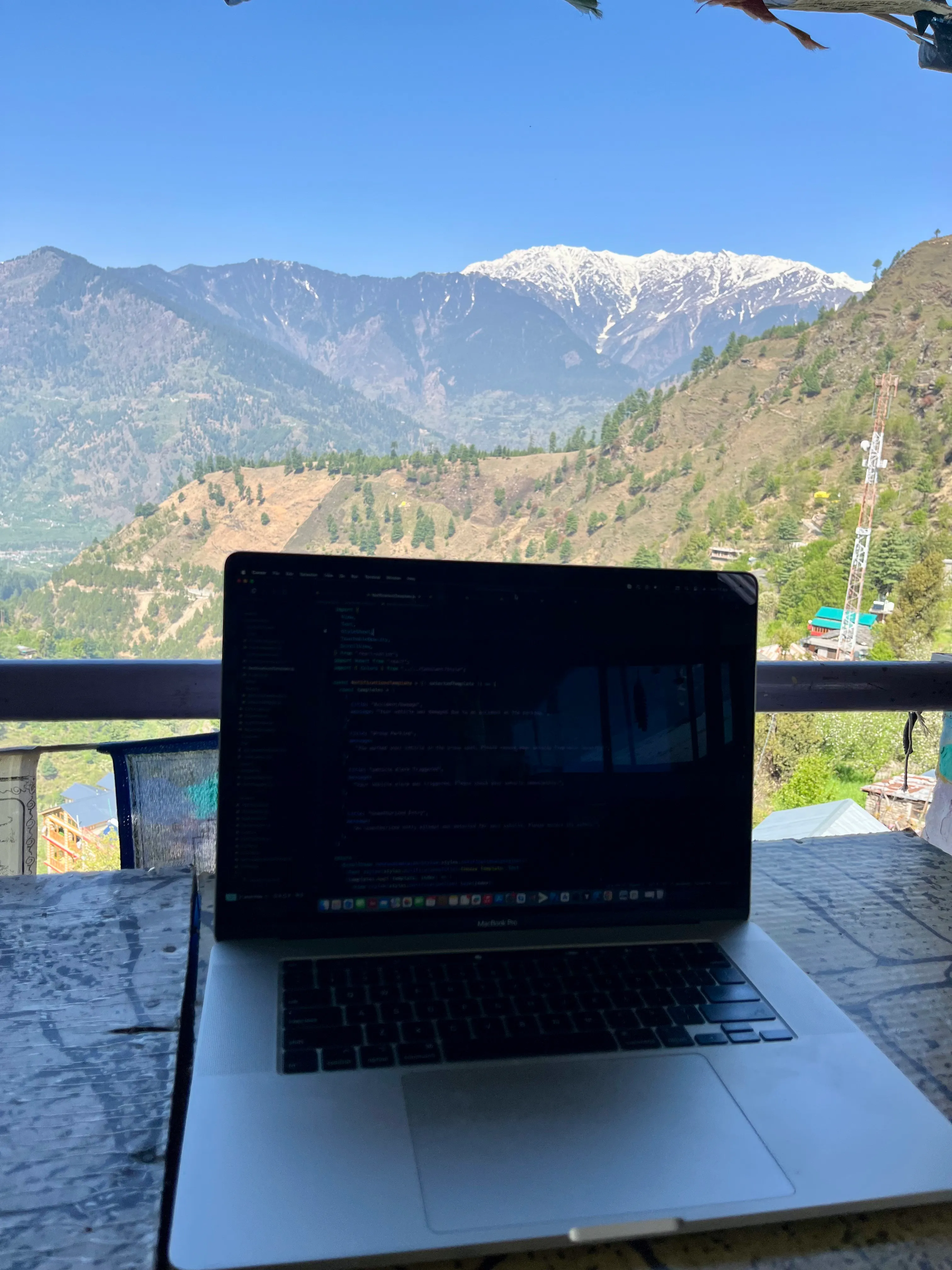
Escaping the Heat (April–May 2025)
April in the plains felt like opening an oven. Sleep got thin, tempers shorter, and even short runs started to feel heavy. I didn’t want more AC. I wanted quiet and pace.
Himachal kept calling. I’ve spent time there before—treks, a couple of Manali trips—so I knew the valley well enough to plan fast. My wife and I packed light, strapped the bags on the bike, and rode out with a simple idea: find a calm base and live there for two months.
We chose Naggar—close to Manali for easy travel, but not stuck in its crowds. One long day on the road and we were in the valley, chasing a place that felt like a home, not a hotel.

Why Naggar, Not Manali
Manali is fun for a day—food, noise, energy—but it’s busy, especially in season. I wanted slower lanes and real village routines.
Naggar sits about 20 km away, and it’s quieter. A few sights (Naggar Castle, the Russian artist estate), then mostly locals getting on with life. We checked a few stays in town, but I didn’t want market noise in the window. We kept climbing.
We found a family homestay high on the upper side of Naggar, with the valley spread out like a map. Apple orchard behind the house. Cattle in the yard. Clean rooms, a kitchen, and surprisingly strong internet. A small spring nearby for drinking water. A little ancient temple on the ridge you could hike to in the evening light.
We booked two months the same day.

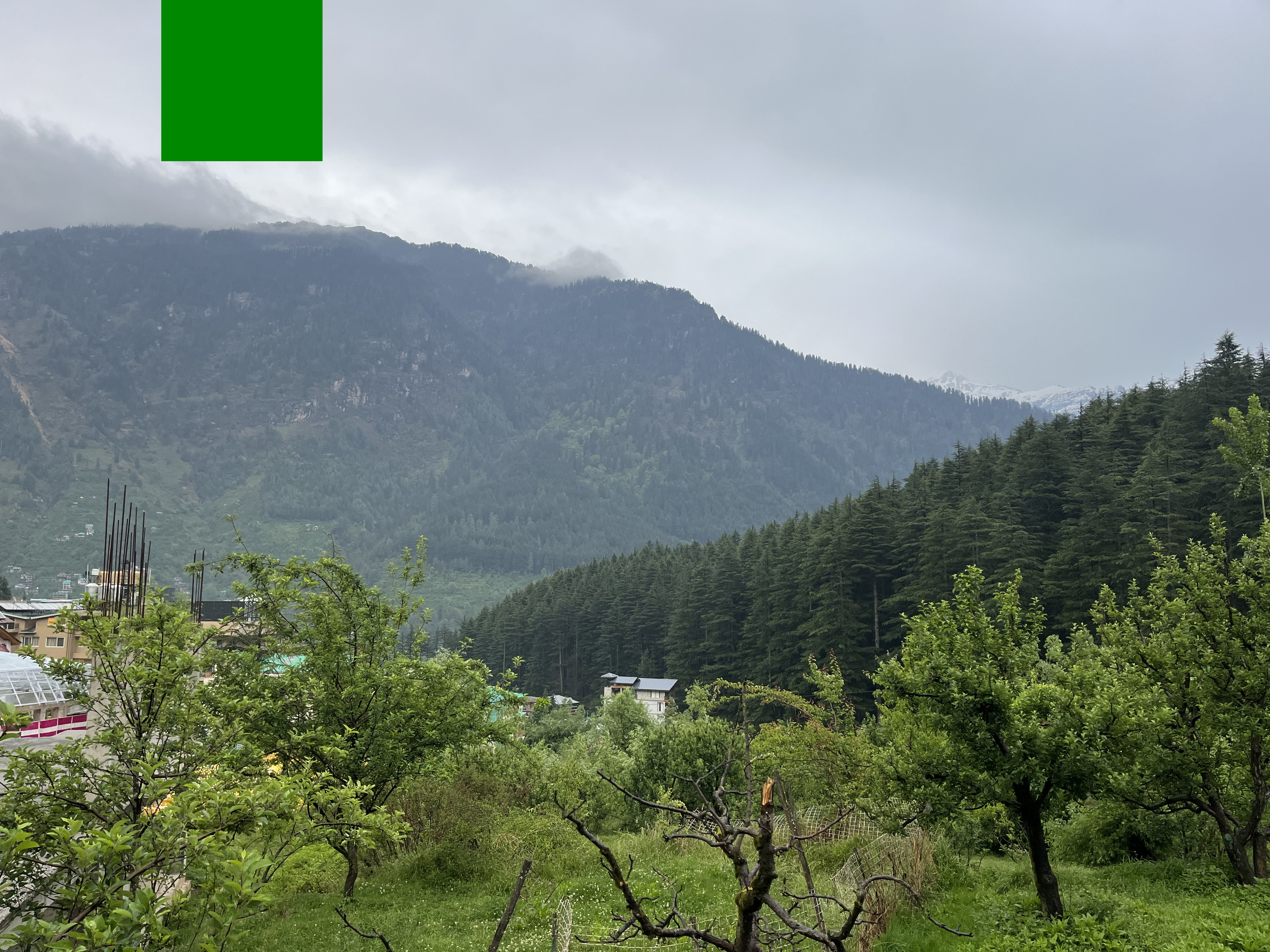
Settling In
The first week was just finding our feet. New house, new lanes, new routine.
City habits don’t work here. No Zomato/Swiggy. No Blinkit. Amazon delivers—but it can take 10+ days. So we switched from “tap to order” to “walk and ask.”
- Groceries: small market downhill for basics.
- Veg & fruit: one morning stall—go early.
- Milk: from the host family’s cow.
- Water: from the little spring near the house.
Most of that week: short trail in the morning, a market run, set up the kitchen, a clean work block, slow evening loop. We learned shop timings (many close mid-day), where the lanes connect, and which dog thinks he owns the bend.
Our only real mistake was assuming city speed. It isn’t. The fix was simple: plan, keep a buffer of basics, and let non-urgent stuff wait.
A Day in the Life
Our day actually started the night before. We’d make a quick plan—what to cook, what might run out, whether we needed a morning market trip. One small list saved a lot of climbing.
Morning Quick breakfast. If we needed anything, I’d grab it first thing. Then heads-down work till lunch.
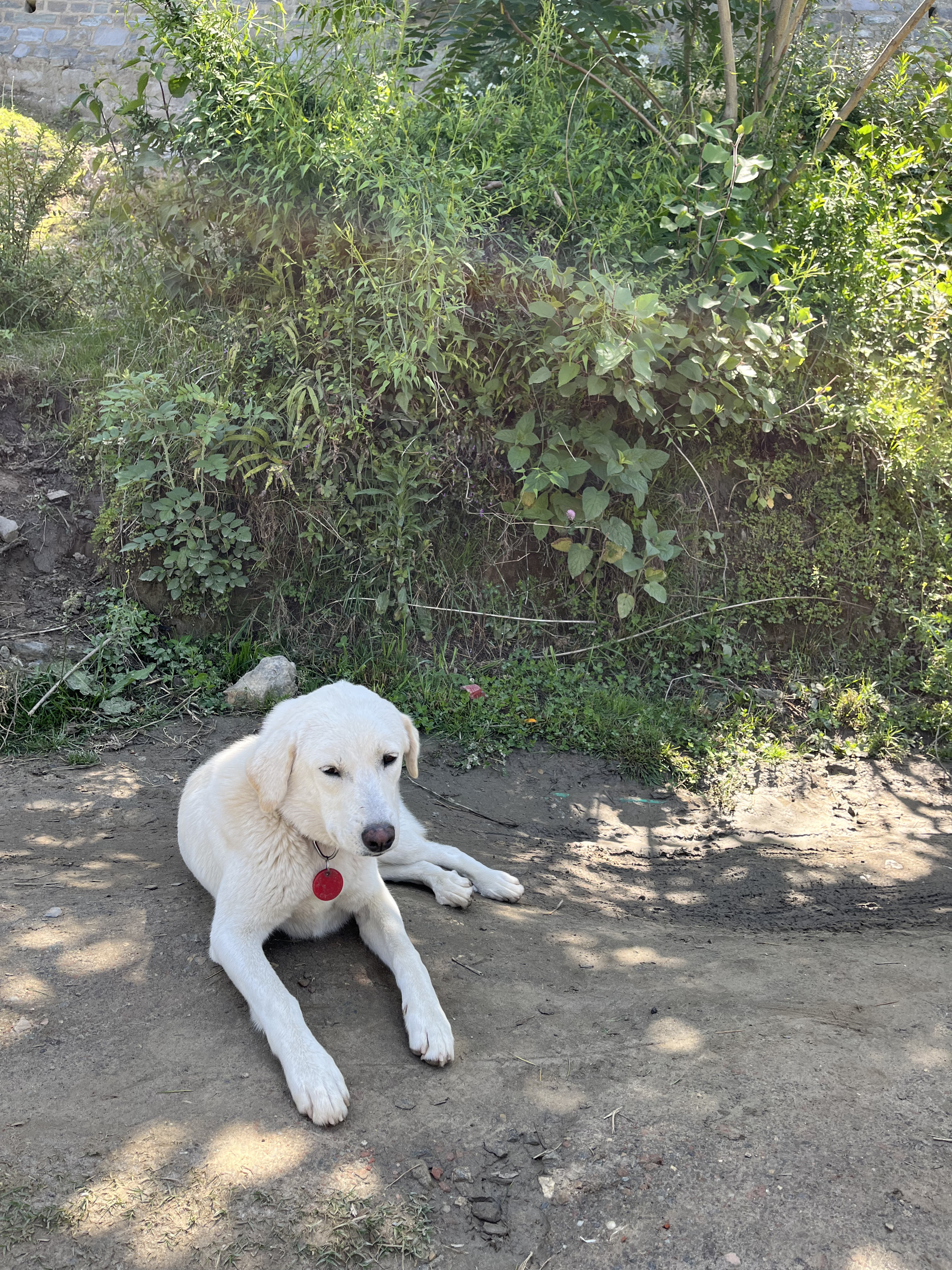
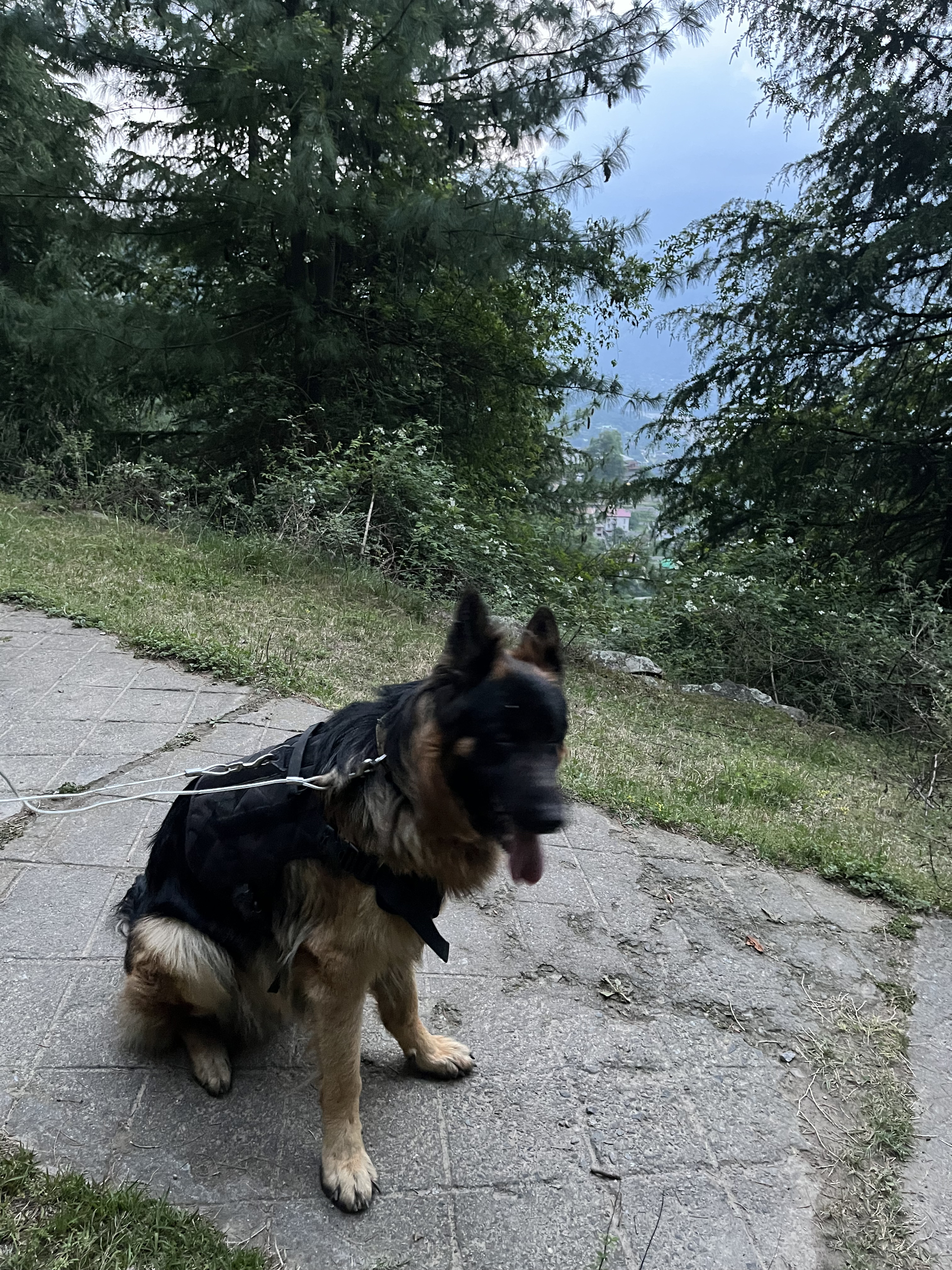
Afternoon An hour on a nearby trail—trees, birds, that big valley view—and back to the laptop with a cleaner head. Sometimes I used to play with the family dogs Julie and Rambo as well.
Evening At first, another easy walk. Soon I switched to a run (more on that below).
Night Dinner, a short walk on the quiet road (after 8 p.m. the lanes are almost empty), stare at the valley lights for a bit, then read 5–10 pages and sleep.

Running (Back Again)
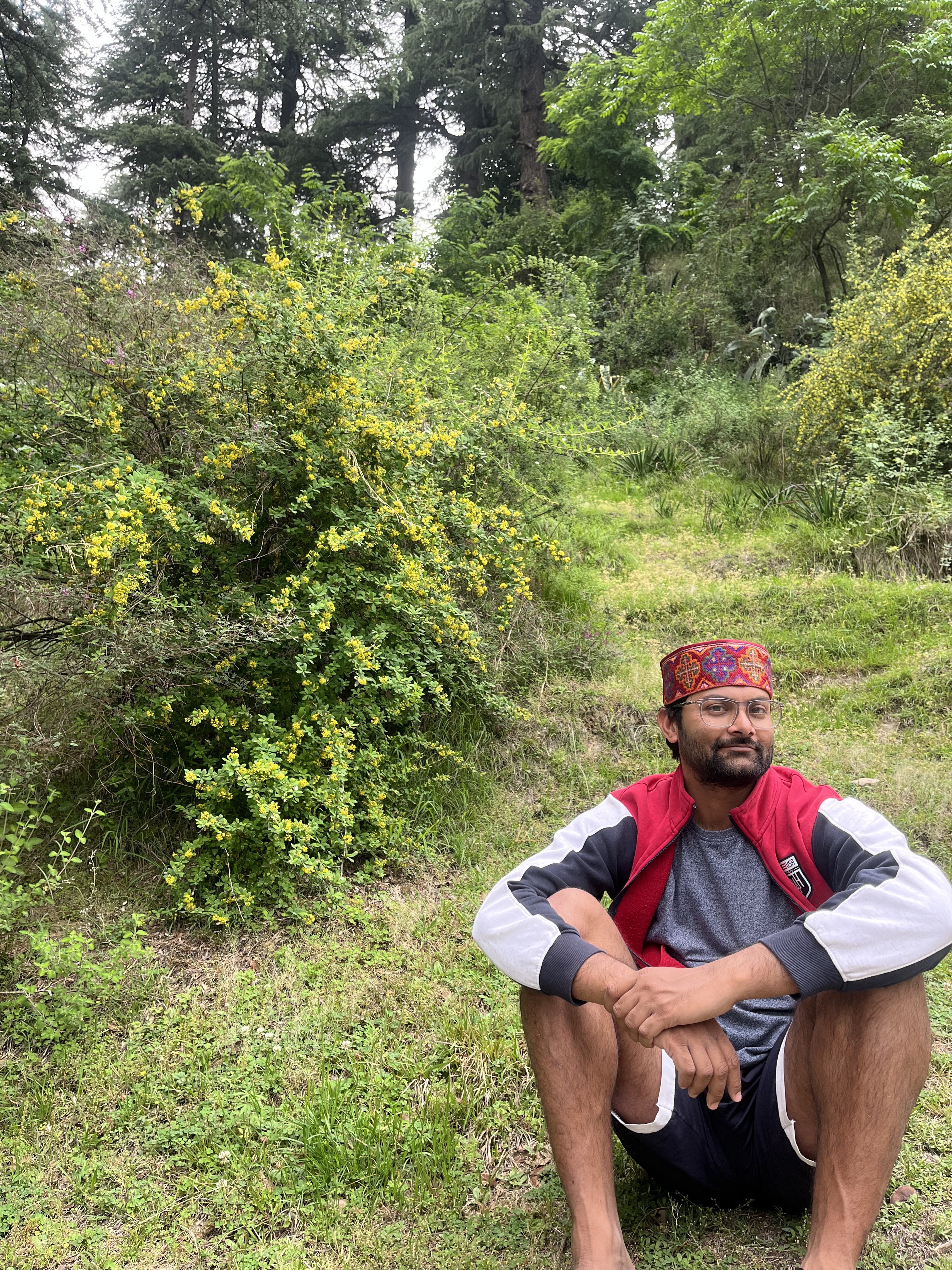
I’ve always liked running, but city life made it harder. Too many chores, too much noise. In Naggar, I had space again.
I replaced my evening walk with a run and kept it simple: start small, show up.
- Week one was 1–2 km at a chatting pace.
- By week two, 3–4 km felt normal.
Running here wasn’t like a stadium loop. It was green and quiet. One bend opened to a new village, the next smelled like pine. Sometimes kids played cricket in a small field. Sometimes it was just my steps and a distant dog.
The best part? One healthy thing every day. That single habit lifted everything else—sleep, mood, even patience.
Explorations
Naggar is a calm base with good spokes. Weekends were for small adventures.
Manali (Weekend 1) I’d been before, but did a fresh loop—riverside walk, a lane I’d missed, a new café, one night stay. Fun, but reminded me why we didn’t want to live in the center.
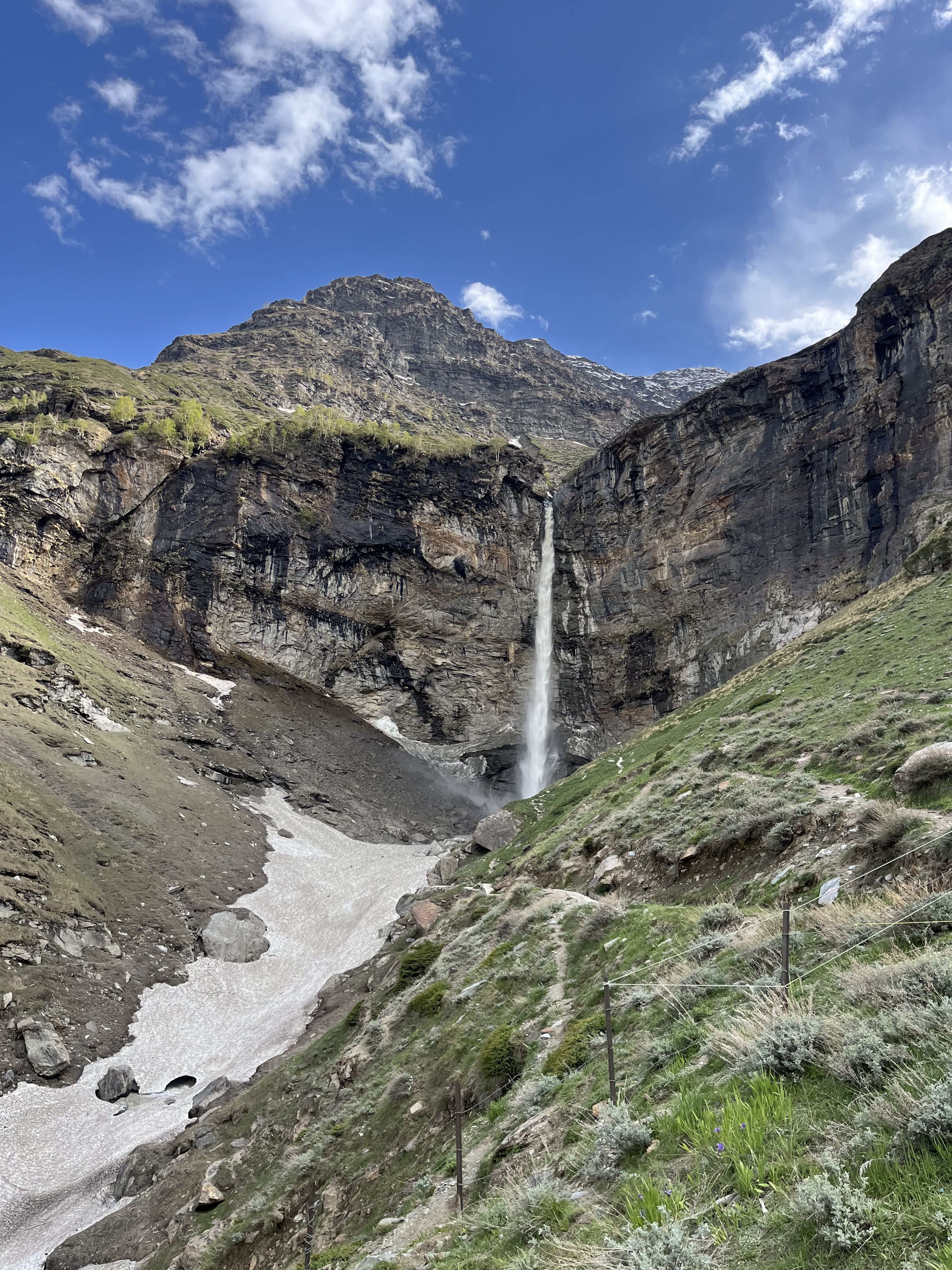
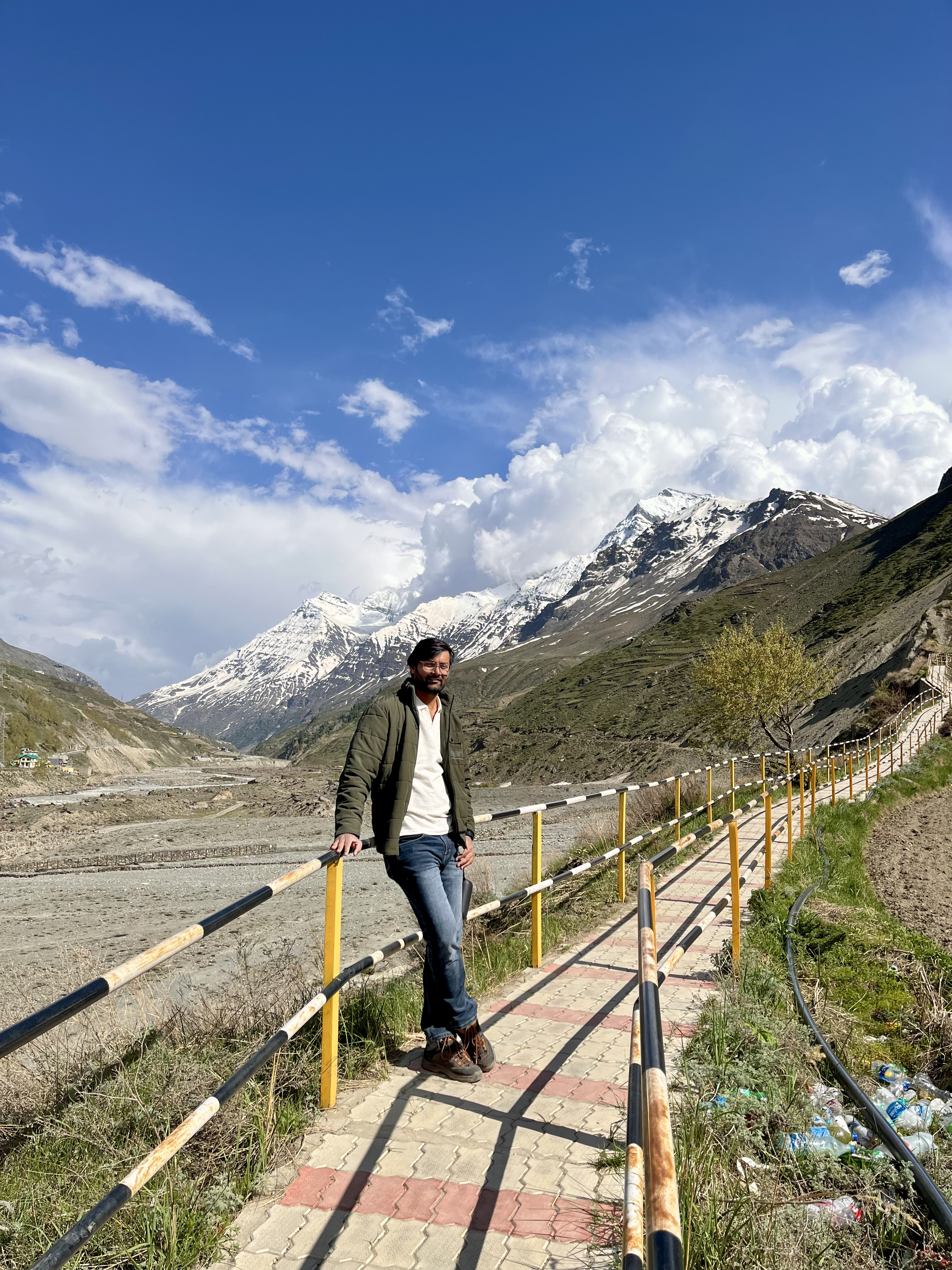
Atal Tunnel → Sissu Through the tunnel and suddenly a different valley. I’d wanted to see Sissu Waterfall for years. Getting close was a mini-adventure: a simple zipline-style crossing over the stream, then a short trail to the base. The waterfall is huge, and the wind throws the spray around like fine rain. We just stood there and let it soak our faces.
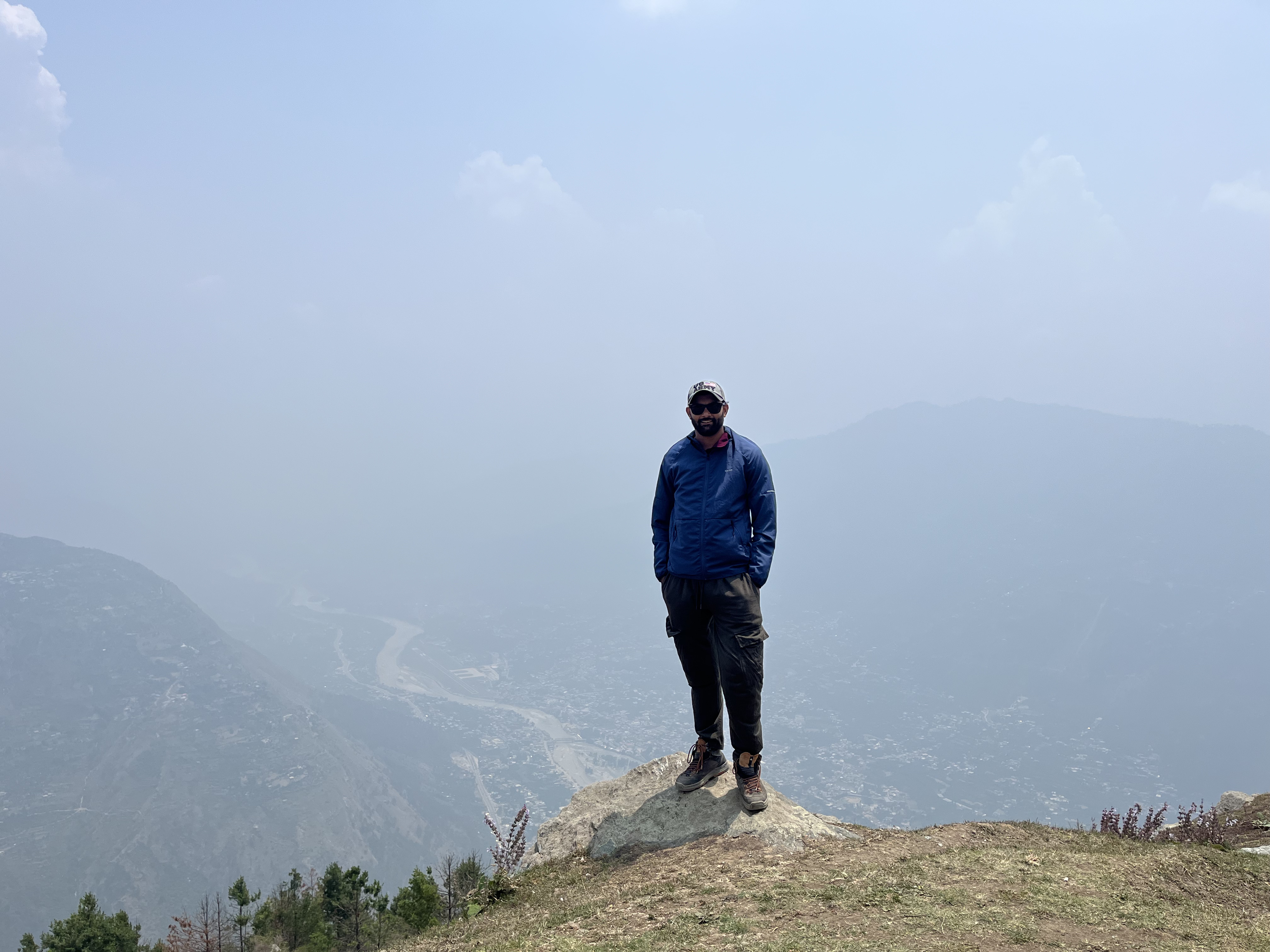
Bijli Mahadev Temple First attempt: turned back (bad road). Tried again a week later and made it. The final climb is steep, but the top is worth it—bells, a full valley view, and that “we started way down there” feeling.
Kasol + Kheerganga Before heading home, we did Kasol and the Kheerganga trek (my wife’s pick after a vlog). Not too hard, beautiful forest, and a quiet night up there. Tosh is close by, so the day strings together easily.
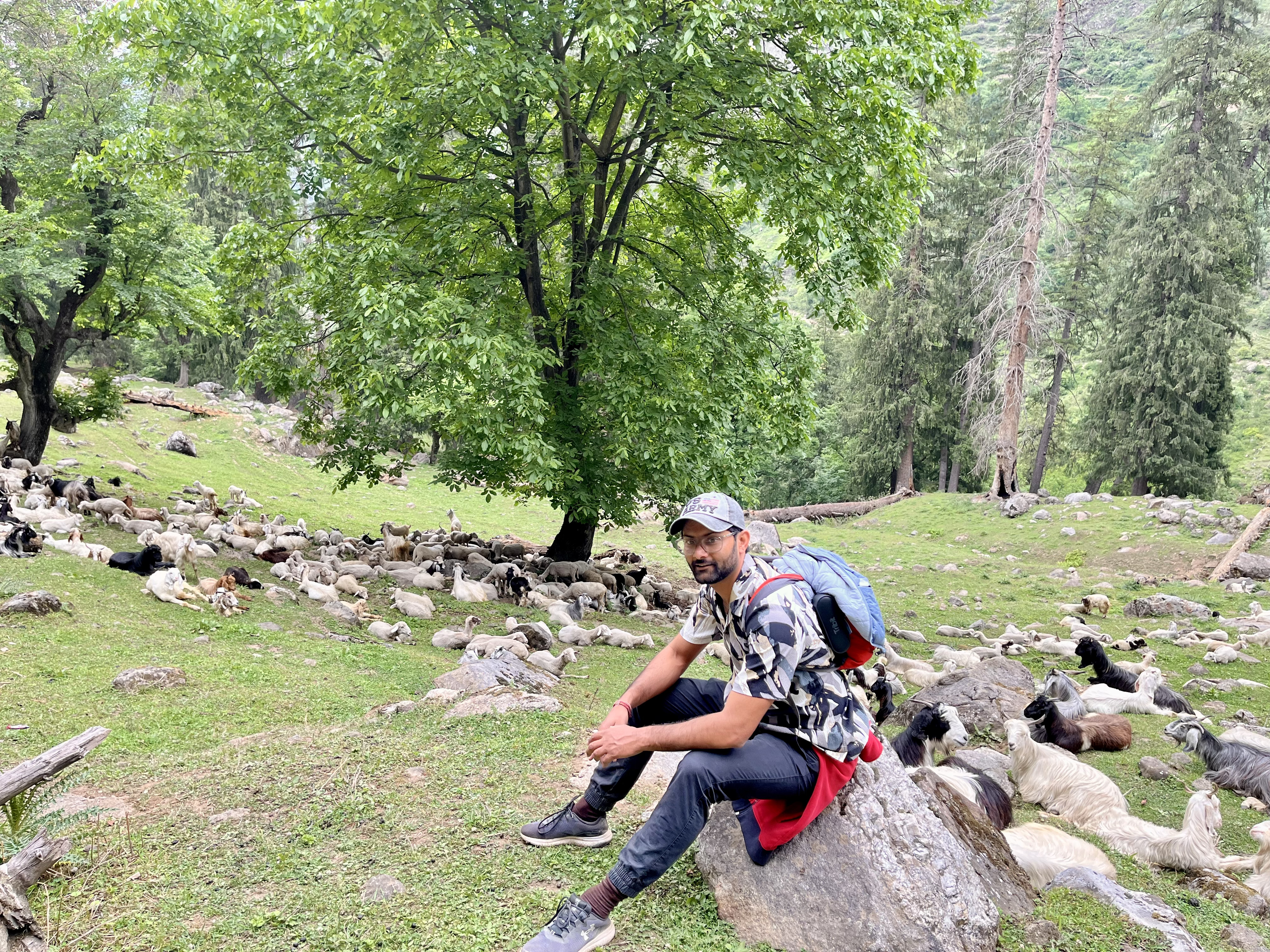
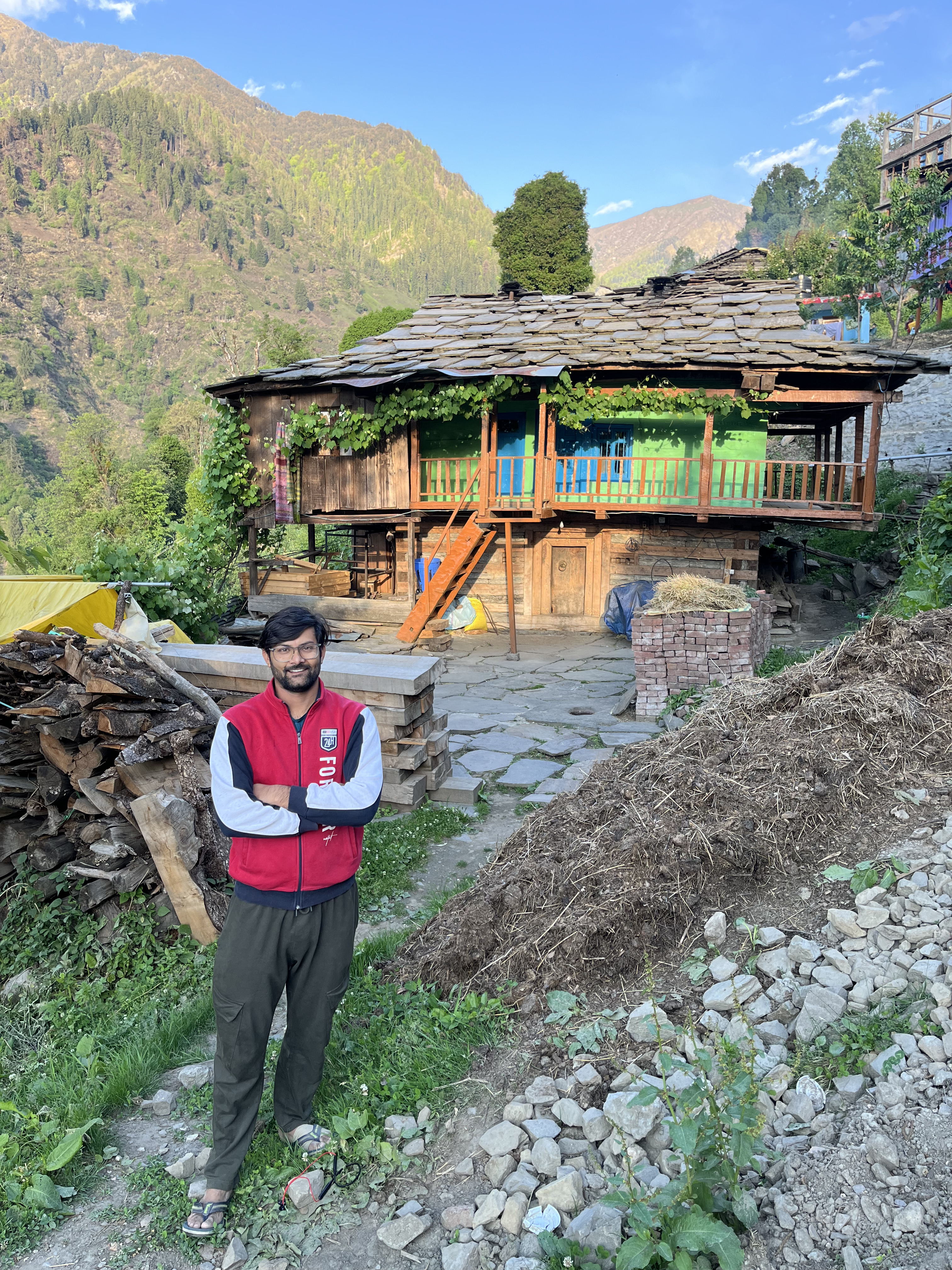
Hidden trails & an offline village On weekdays I wandered local-only paths—between orchards and old Himachali wooden homes. One old village at the end of the road had no network. It felt great. No pings. Just footsteps and someone chopping wood two houses away.
Local Life, Up Close
Living with a Himachali family changed everything. It wasn’t just a balcony. It was a front-row seat to how people actually live here.
Our landlady was a force. Housework, fields, cattle—every day. This was apple-prep season, so the list was long: check trees, fix small things in the orchard, stack wood before monsoon, get the house ready for winter. Nothing was random. Everything had a reason.
The lanes were clean. People pay a small fee for trash collection and take it seriously. I’d never seen that work so well in a small town. It shows—no wrappers in the drain, no plastic bats in the bushes.
Farmers gave us the other side of the postcard. Mountain life looks perfect from far away; up close, it’s hard. Weather is messy now. Floods come more often. Snow doesn’t follow old patterns. Winters are long. You stock wood and fodder, protect cattle, and wait out weeks when fields give nothing. Beautiful, yes—but not easy.
While we stayed, a fair took place at a very old Devi temple a little far from our place. People walked in from distant villages with flowers and drums. In the evening, the deity came out in a palki—a decorated wooden carriage—moved slowly through the crowd with music and a kind of quiet excitement. It was new for us to see worship done this way—calm, careful, and very community-led—different from the plains.
After sunset, the mood turned festive. Songs, hundreds of people, and a long night of dance. The traditional Nati circle started and the whole place moved together. We joined for a bit, laughed at our clumsy steps, and then just watched. No pushing, no rush—just shared joy.
I felt lucky to be there at that time.

Family Week
As our two months were ending, we invited my parents for the last week. My brother came too. It was their first time this high in the mountains, and you could see the joy—clean air, easy silence.
Dad found a routine on day one: short trail in the morning, another in the evening. He liked watching the village wake—milk cans clinking, people heading to fields, dogs trotting along. Mom loved the balcony. She could sit for an hour just watching roofs and clouds.
We did a couple of easy trips: Manali for a lively day, and Sissu through Atal Tunnel for that big waterfall moment. We kept meals simple—some home-cooked, some at a small dhaba—and kept plans light so they could rest.
On the last morning, we packed slowly, filled a few bottles at the spring, said thanks to the family, and rode back to the city. It felt like the right ending.

Lessons I’m Taking Home
These two months didn’t give me one big “aha.” They gave me a bunch of small ones.
- Pace. Nobody’s in a hurry here. Do what’s in front of you. Then the next thing. I don’t need a hundred tasks—just a few that matter.
- Health. Village life means movement. A daily run or walk fixes half my day.
- Community. People stop to talk. Work moves faster when everyone helps a bit.
- Nature. Ten minutes under a tree beats ten hot takes online.
- Simplicity. Simple routines, clean lanes, a plan for winter. You don’t need much to feel okay.
What I’m keeping back in the city:
- Plan tonight what matters tomorrow (one big task, one tiny win).
- Move every day—walk/run 30 minutes, stretch 5.
- 20 minutes outside with no phone.
- Learn names, say hello, offer small help.
- Repeat easy meals. Buy less. Keep a little home buffer of basics.
- No screens for the first and last 30 minutes of the day.
Photo: last sunset from the balcony
If You’re Planning Something Similar
- Pick a calm base; keep “busy” for day trips.
- Do a weekly market list; online orders can take 10+ days.
- One big plan per day. Start early.
- Carry cash; networks and ATMs can be patchy.
- If a road or the weather feels wrong, turn back and try again.
- Say thanks often. It goes a long way.
If you’re curious about international workations, I wrote about my first digital nomad experience in Bali and the continuation through Malaysia and Thailand — a very different vibe from the mountains, but the same idea of working while living somewhere new.